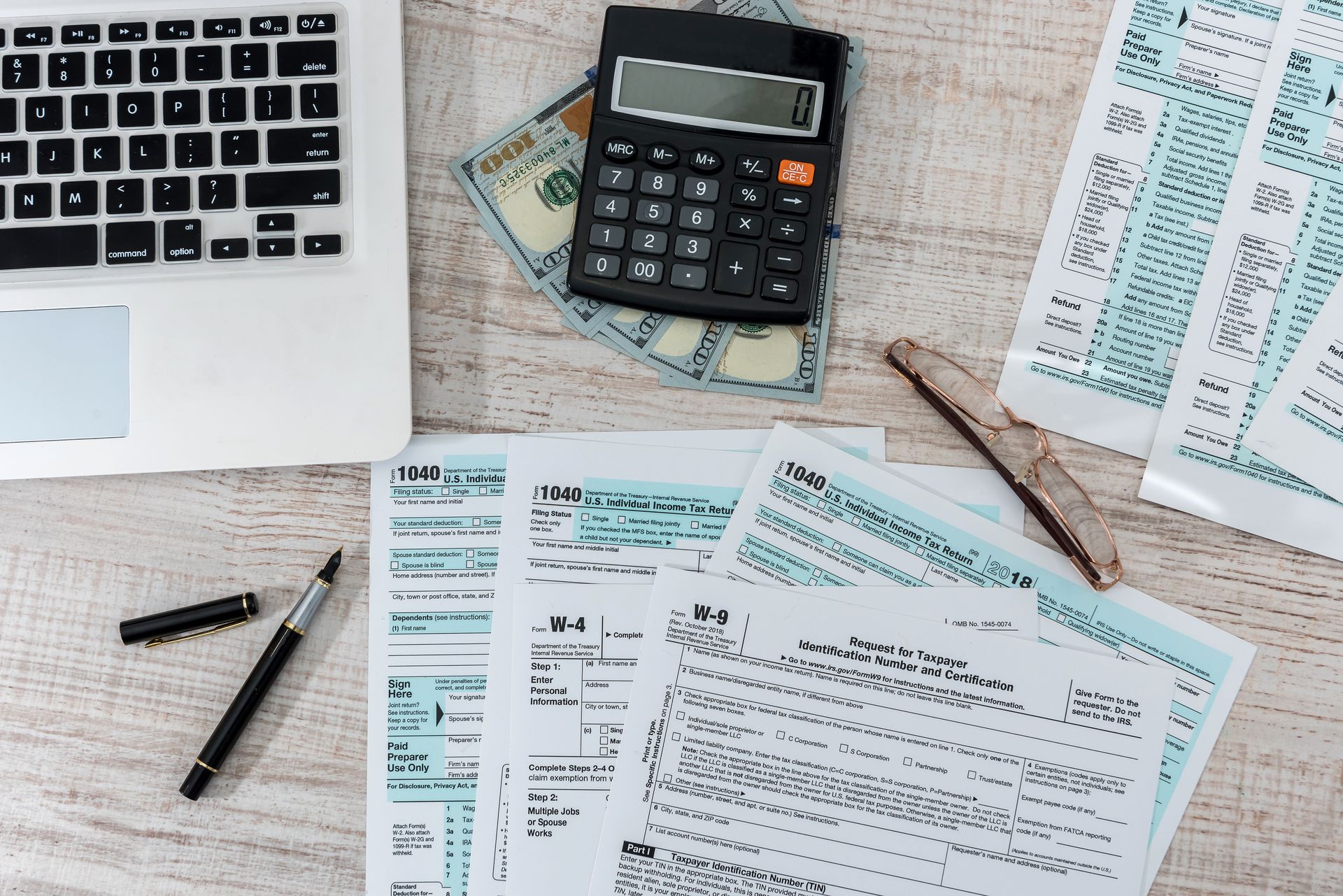
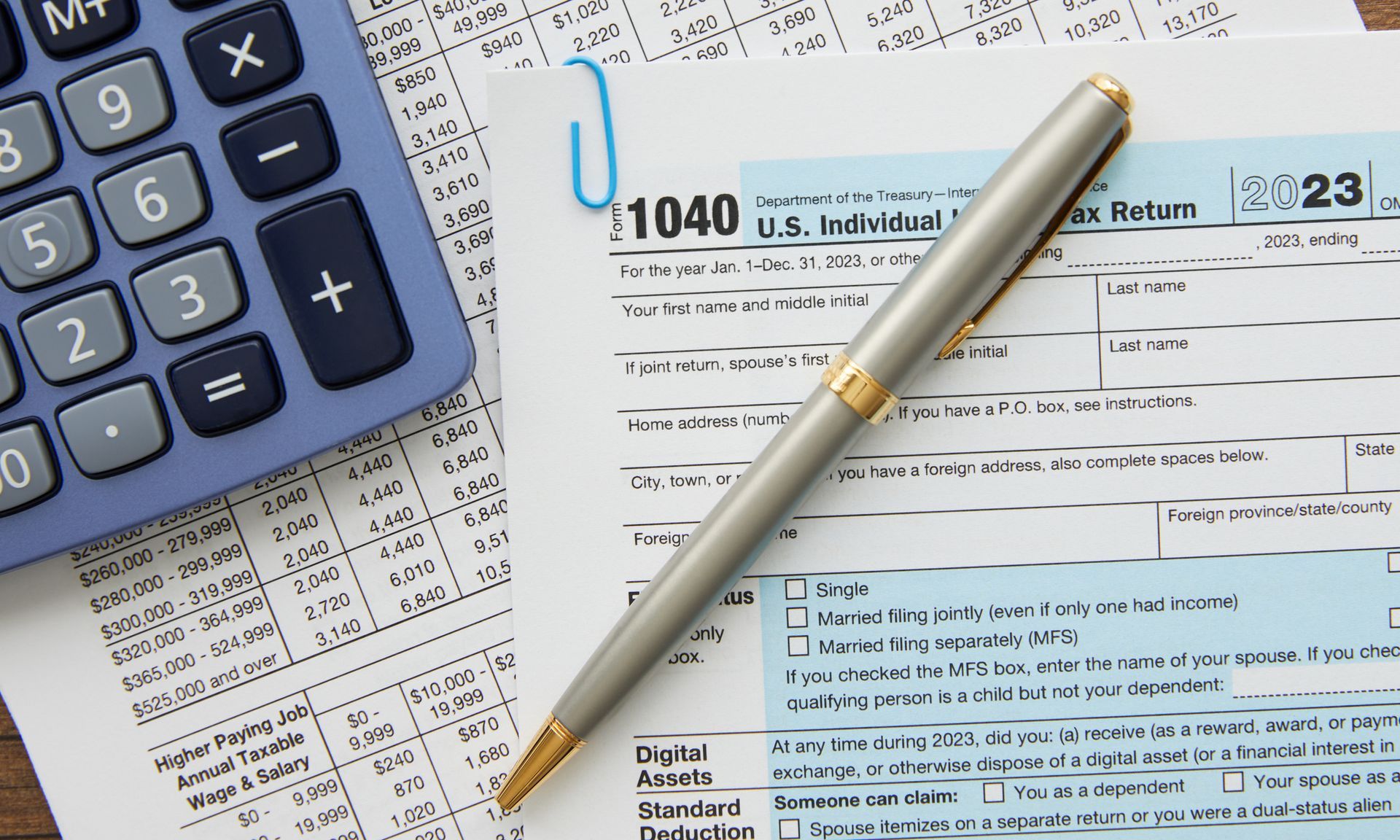
How to Prepare for an IRS Audit After Income Tax Preparation in West Covina
An IRS audit can feel intimidating, but careful preparation makes the process more manageable. West Covina residents who face an audit often ask how income tax preparation records can help. This guide explains the common types of audits, the documents most often requested, and how an organized file supports a faster and more accurate response.
Understanding the Types of IRS Reviews
Not every IRS contact is a full audit. Some reviews are correspondence audits, handled entirely by mail, while others are office or field examinations that may involve a meeting. A notice may ask for documentation about a single item, such as a charitable deduction or a childcare credit. Reading the letter carefully helps identify the year, the items under review, and the response deadline.
Records the IRS Commonly Requests
Auditors often ask for records that support the income and deductions reported on the return. These include wage statements, 1099 forms, bank statements, receipts, mileage logs, and invoices. Self-employed filers may be asked for a general ledger, and rental owners may be asked for leases and repair records. Clients who keep these records organized can respond quickly without searching for missing items.
- Keep documents for each filing year in a labeled folder.
- Note the purpose of each business or charitable expense.
- Store digital copies securely and back them up.
Responding to a Notice Correctly
Respond to the notice by the deadline stated in the letter, and send only the records that answer the question asked. Sending unrelated documents can expand the review without helping the response. A short written explanation that matches the records is usually the clearest approach. If the notice is unclear, a preparer can contact the IRS to confirm what is needed.
When Representation Helps
Some taxpayers choose to have a representative handle the audit. An Enrolled Agent, CPA, or attorney may communicate with the IRS, attend meetings, and submit documents on the taxpayer's behalf. Representation can reduce stress and help keep the response focused. Taxpayers should confirm the representative's credentials and sign the authorization form that allows them to act.
Connecting Audit Readiness to Everyday Filing
The best audit defense starts with accurate income tax preparation in the first place. Returns that are supported by complete records, consistent figures, and clear explanations are easier to defend. Preparers who document their work and explain the return to the client help create that foundation before any notice arrives.
Common Mistakes During an Audit
Some taxpayers make the situation harder by volunteering information that was not requested or by missing the response deadline. Others send original records without keeping copies, which makes follow-up difficult. Clear, organized responses limited to the items in the notice tend to work best. Consulting a preparer before responding can help avoid these mistakes and keep the income tax preparation record consistent with what has been submitted.
Following up After the Audit Closes
When an audit ends, the IRS sends a findings letter explaining any changes. Taxpayers who agree can sign the report, while those who disagree may request a conference or appeal within the time allowed. Keeping the closing letter and any adjusted figures helps with future filings. A review of the changes can also reveal whether next year's records should be organized differently to prevent a repeat.
Keeping Your Audit File Ready
An audit file is most useful when it is kept current, not assembled only after a letter arrives. Storing each year's records in the same order, labeling documents clearly, and noting any unusual items can save time if a notice comes later. Taxpayers who maintain a file this way usually respond faster and with greater confidence. Strong income tax preparation practices make the file easier to build from the start.
Auditors value responses that are complete, consistent, and easy to follow. A simple index that lists each document, the page it appears on, and the item it supports can make a large response far easier to review. Keeping a copy of everything sent to the IRS, along with the date it was mailed or submitted, also protects the taxpayer if questions arise later. These habits support sound income tax preparation and make any future audit less stressful. Taxpayers who ask their preparer to walk through the file once a year often find gaps early. A brief review each spring can confirm that the key records for the prior year are complete before the next filing season begins.
Tri Check Inc. assists West Covina residents with IRS notices and audit questions, and the firm's Enrolled Agents can represent clients before the agency. The team can help organize records and prepare responses on time. Call (626) 962-2425 or use the contact page to schedule a review. The income tax preparation FAQ covers how to prepare for an audit in more detail.